

- by The Aluxury® Team
What Is Oud? The Complete Agarwood Essential Oil Guide
- by The Aluxury® Team
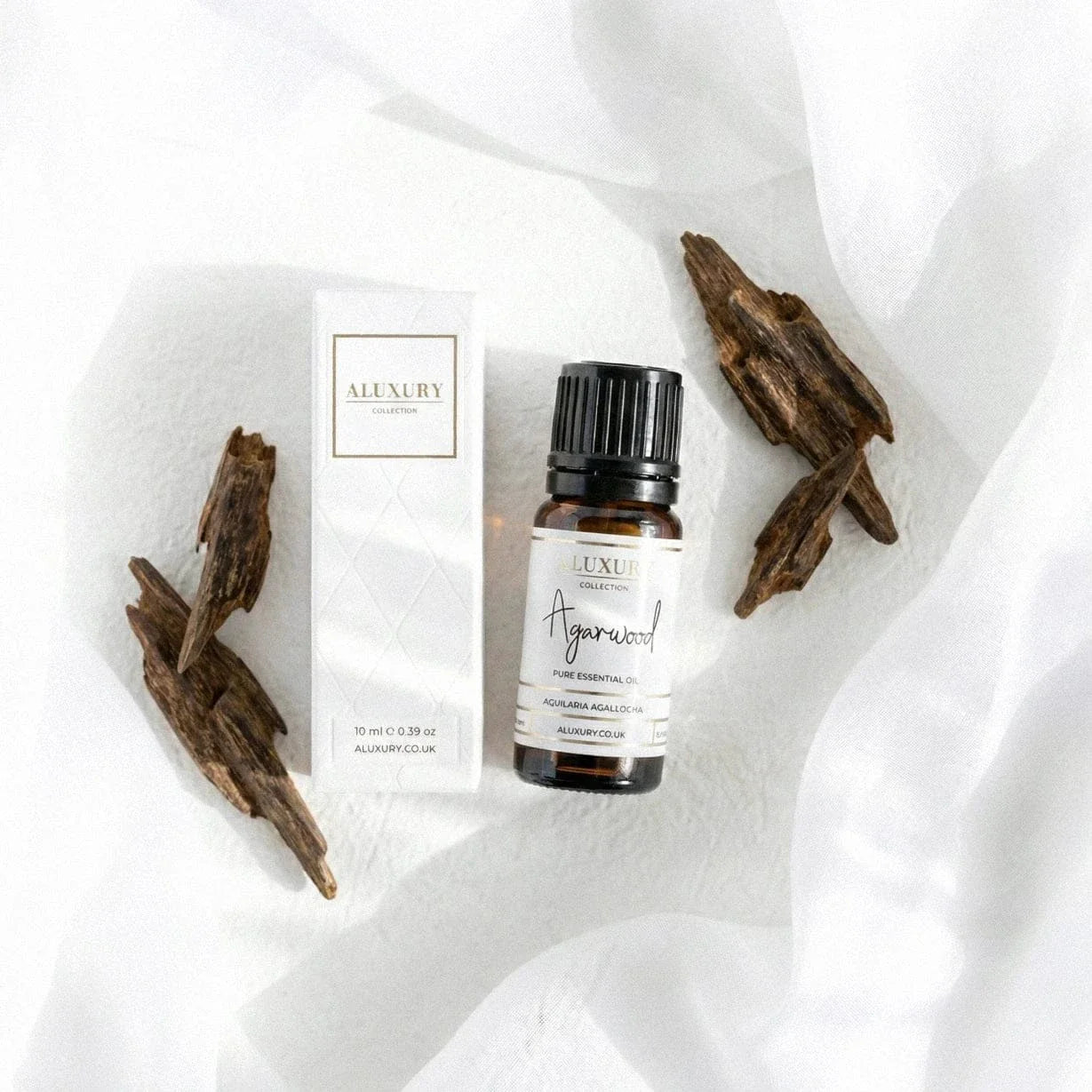
Oud is one of the most prized and mysterious ingredients in natural perfumery. At its simplest, oud is the dark, intensely aromatic essential oil distilled from agarwood, the resin-rich heartwood of Aquilaria trees. Deep, warm and unmistakably complex, it has been treasured across the Middle East and Asia for centuries. In this guide we explain exactly what oud is, why it commands such extraordinary prices, and how to use it thoughtfully at home.
The terms oud, agarwood and aloeswood are often used interchangeably, which understandably causes confusion. In truth, they describe different parts of the same remarkable story.
This explains the common question of oud vs agarwood: agarwood is the wood, and oud is the oil pressed from its heart. Our own agarwood (oud) essential oil captures that singular aroma in its most concentrated, distilled form.

Oud is frequently described as "liquid gold," and the comparison is not mere marketing. Few natural materials are as rare or as labour-intensive to produce. Several factors come together to make oud one of the most expensive raw ingredients in perfumery.
Taken together, these pressures mean genuine oud will always sit at the premium end of the spectrum. If a product is sold as "pure oud" at a bargain price, it is almost certainly diluted or synthetic.
Beyond its luxurious scent, oud has long been valued in traditional practices for its grounding, contemplative character. While we are always careful not to overstate aromatherapy claims, oud's appeal in this respect is genuine and enduring.
As with all our pure essential oils, oud is best enjoyed for the atmosphere and sense of luxury it creates, rather than as a remedy. Honesty matters to us: we'd rather describe oud accurately than make claims we cannot stand behind.
Oud rewards a little patience and care. Important: oud is an exceptionally thick, viscous oil (far heavier than most essential oils), and this has real practical implications for how you use it.
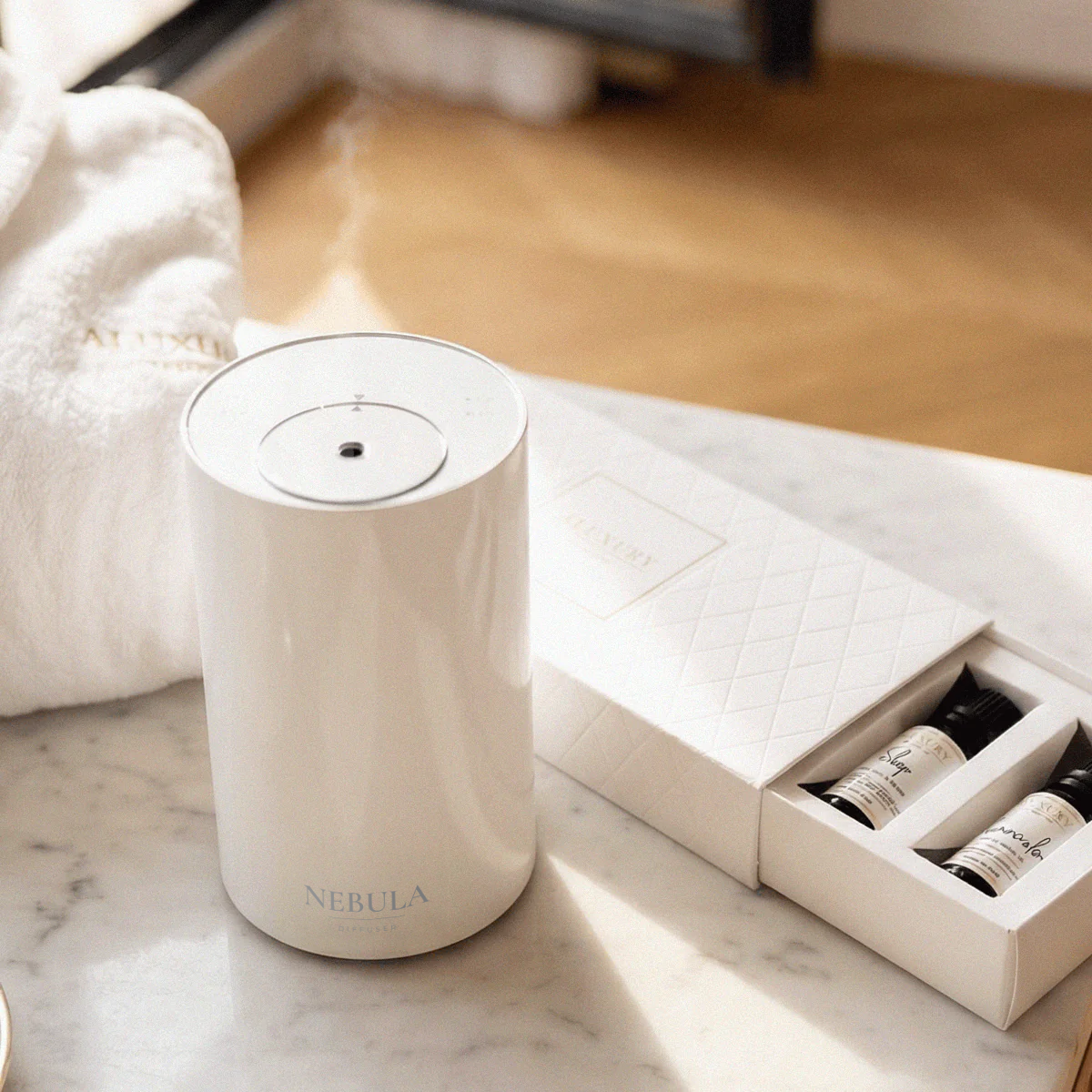
Because of its density, neat oud can be too heavy for some waterless or nebulising diffusers, which are designed for thinner, free-flowing oils and may struggle to atomise it properly. To enjoy oud at home, we recommend the following.
The rarity and expense of true oud mean the market is awash with imitations. Synthetic "oud" fragrance oils and heavily diluted blends are common, and while they have their place in mainstream perfumery, they are a world apart from genuine distilled agarwood oil. Here is how to tell the difference.
Our own oud is genuine Aquilaria agallocha, steam-distilled and independently GC-MS tested. Its certificate shows the complex sesquiterpene profile that defines authentic agarwood, with constituents such as eudesmols, cadinols and caryophyllene oxide rather than the flat, single-note character of a synthetic. Every Aluxury® oil is 100% pure, GC-MS tested and prepared in the UK, so our commitment to quality and honesty runs through everything we make.
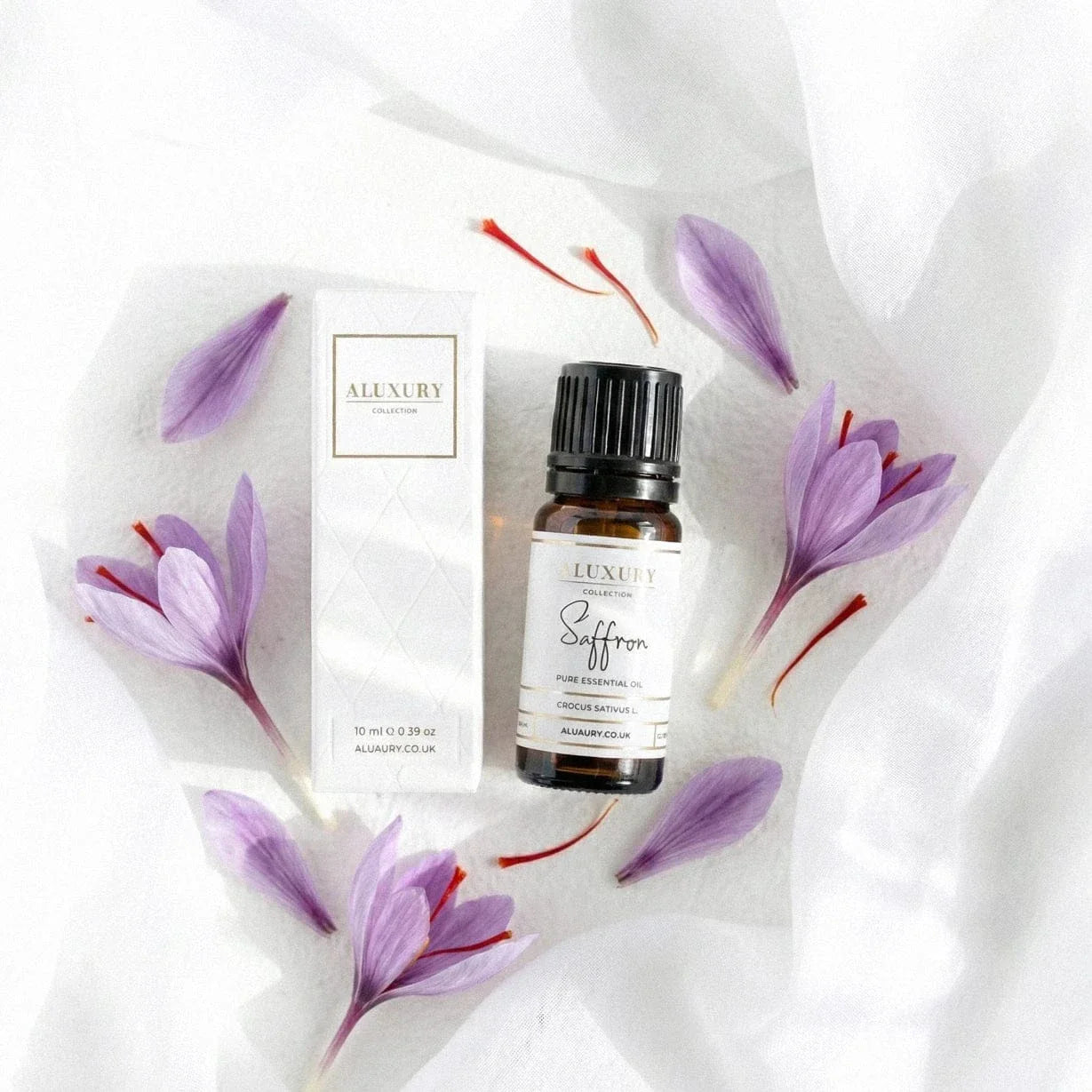
For an opulent evening blend, add 1 drop of oud, 2 drops of sandalwood and 1 drop of saffron. Because oud is so thick, dilute it well or pair it with thinner oils so it diffuses cleanly.
Not quite. Agarwood is the resinous wood that forms inside Aquilaria trees, while oud is the essential oil distilled from that wood. In everyday conversation the words are often used interchangeably, but strictly speaking agarwood is the raw material and oud is the precious oil drawn from it.
Yes. In its purest form, oud is a genuine essential oil, distilled from resinous agarwood. Be aware, however, that many products labelled "oud" are synthetic fragrance oils rather than true distilled agarwood oil, so it pays to check the description carefully.
Oud is rare because the fragrant resin forms only in Aquilaria trees that have been wounded and infected: a small fraction of all trees. The yield is tiny, the genus is CITES-protected, and the finest grades command premium prices. Together these factors make genuine oud one of the most expensive ingredients in perfumery.
Oud has a deep, warm, woody aroma with smoky, sweet and faintly animalic facets. It is a rich base note that evolves on the skin and in the air, which is precisely why it is so treasured in fine perfumery and why it pairs so beautifully with rose, sandalwood and saffron.
Because oud is very thick and viscous, it can overwhelm (or even clog) some waterless and nebulising diffusers. We recommend blending or diluting it, using just one drop, and pairing it with complementary oils. In a water-based diffuser, a single drop on the water's surface is usually all you need.
Are Essential Oils Safe for Pets? Cats & Dogs
Read moreabout Are Essential Oils Safe for Pets? Cats & Dogs
Can You Use Any Oil in a Waterless Diffuser? A UK Guide
Read moreabout Can You Use Any Oil in a Waterless Diffuser? A UK Guide
Saffron in Aromatherapy: Benefits & Uses
Share: