

What Are Essential Oils?
Essential oils are highly concentrated plant extracts that capture the natural aromatic compounds and therapeutic properties of botanicals. These precious liquids represent the very essence of plants—their fragrance, flavour, and beneficial qualities distilled into potent, versatile oils that have been treasured for thousands of years.
From the lavender fields of Provence to the tea tree groves of Australia, essential oils connect us to nature's most powerful wellness solutions. Whether you're seeking better sleep, stress relief, or simply a more luxurious daily routine, this complete guide to essential oils will equip you with everything you need to begin or enhance your aromatherapy journey.
At Aluxury, we've hand-poured premium essential oils in the UK since our founding, combining traditional aromatherapy wisdom with modern diffusion technology. This comprehensive essential oils guide draws from our expertise to help you understand, select, and safely enjoy these remarkable botanical extracts.
Why This Guide Exists
With countless essential oil resources available online, finding reliable, practical information can feel overwhelming—especially for beginners. We've created this hub to provide clear, authoritative guidance that links to our detailed articles whilst ensuring you have all the fundamental knowledge in one place. Whether you're completely new to aromatherapy or looking to deepen your understanding, this guide serves as your trusted starting point.
🌟 Quick Start Guide for Beginners
New to essential oils? Here's what you need to know:
- Start with versatile oils: Lavender, peppermint, and lemon
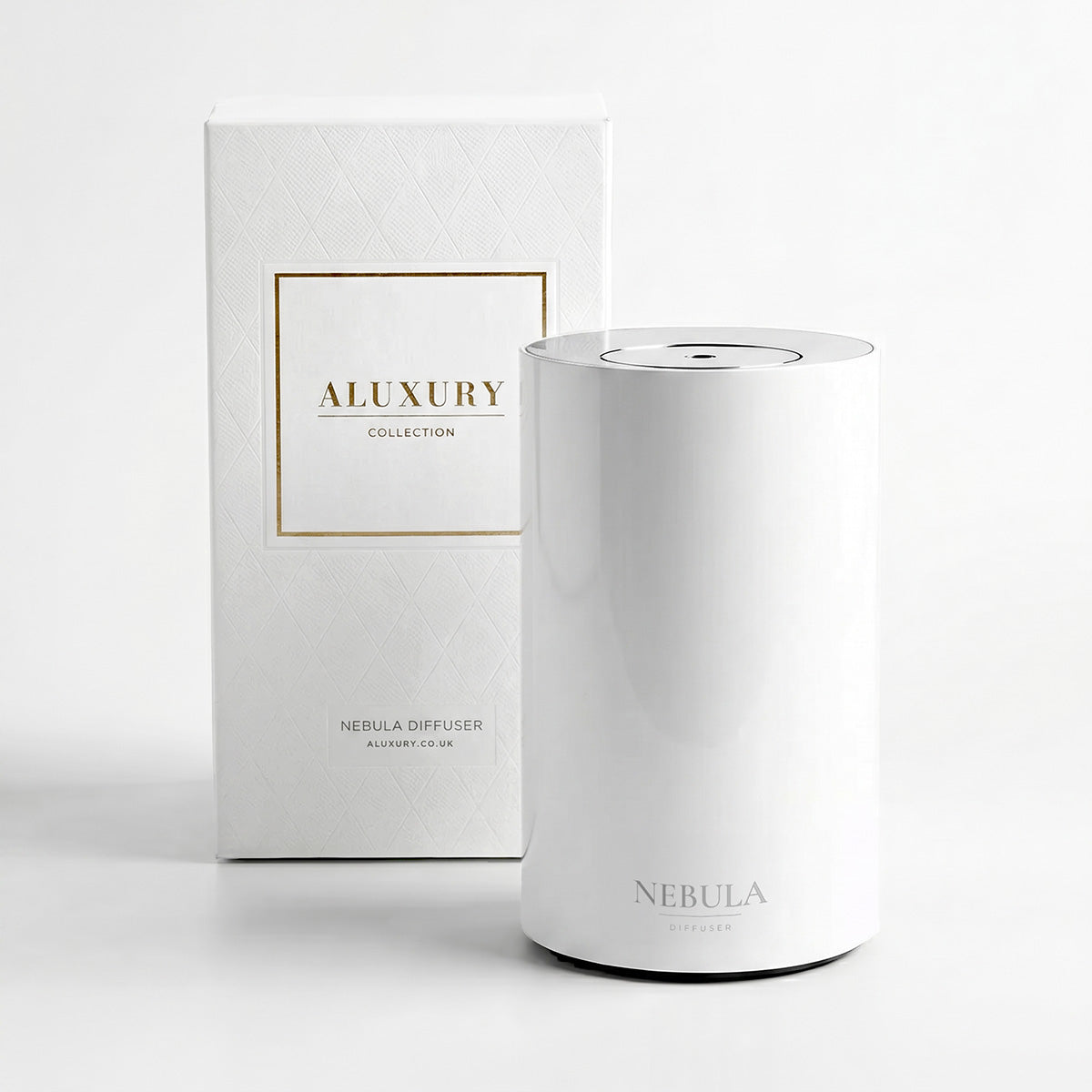
- Invest in a quality diffuser: Our Nebula waterless diffuser preserves oil integrity
- Always dilute for skin use: 1-2% concentration in carrier oil
- Store properly: Dark, cool places away from sunlight
- Begin slowly: Use 3-5 drops in your diffuser initially
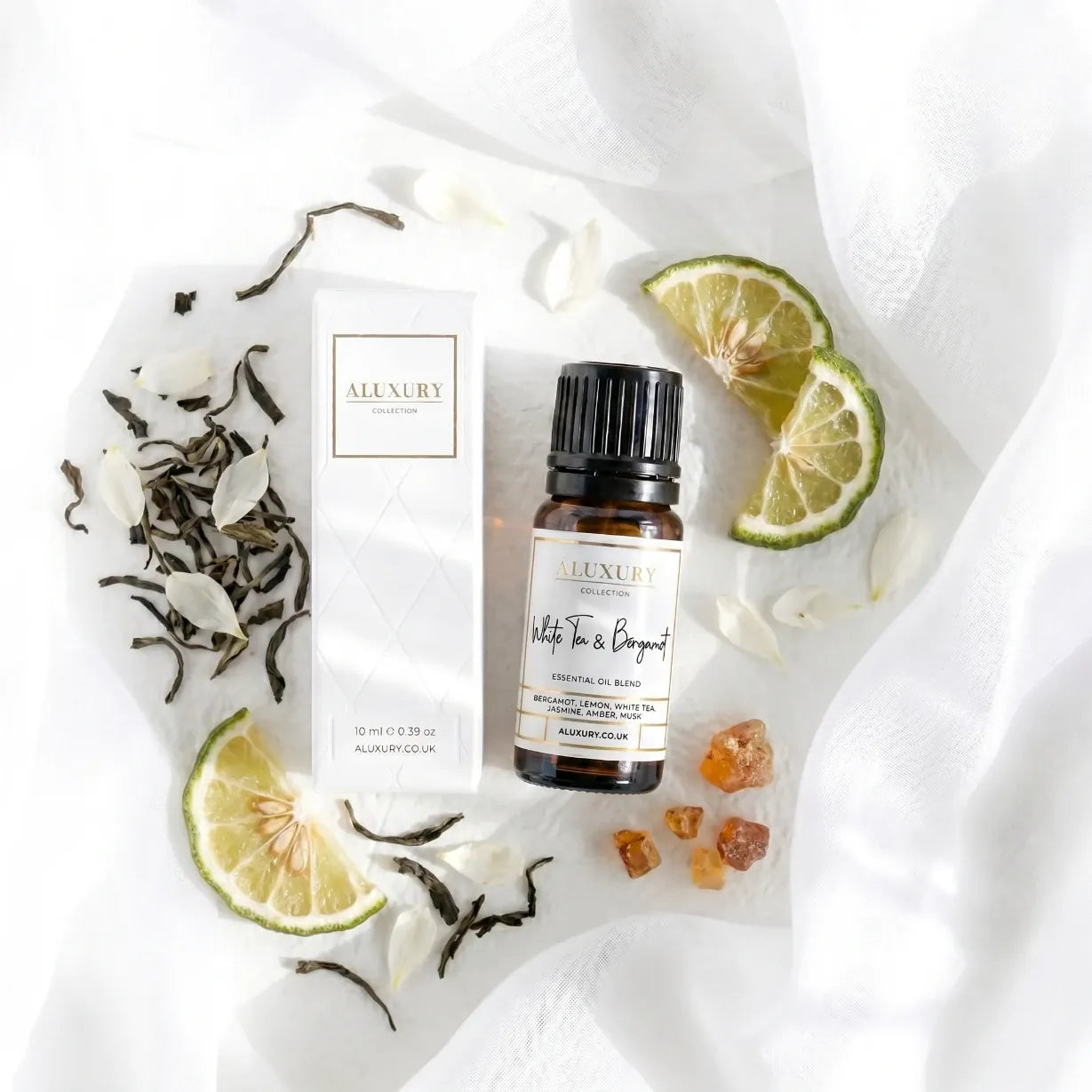
Special Offer: Take advantage of our 4 for 2 offer on select 10ml pure essential oils to build your starter collection.
Essential Oil Basics
What Makes Essential Oils "Essential"?
The term "essential" doesn't refer to necessity but rather to the essence of the plant. These oils contain the plant's characteristic fragrance and properties—what makes rose smell like rose, or peppermint create that cooling sensation.
Essential oils are extracted through various methods:
- Steam Distillation: The most common method, using steam to separate oils from plant material
- Cold Pressing: Primarily for citrus oils, mechanically pressing rinds to release oils
- CO2 Extraction: A modern method producing exceptionally pure oils
- Solvent Extraction: Creating absolutes for delicate flowers like jasmine
The Science Behind Aromatherapy
When you inhale essential oil molecules, they interact with your olfactory system, directly connecting to the limbic brain—the area controlling emotions, memories, and autonomic responses. This explains why certain scents can instantly transport you to a memory or shift your mood.
Additionally, essential oil compounds can be absorbed through the skin when properly diluted, offering topical benefits alongside aromatic effects. The molecular size of these compounds allows them to penetrate the skin barrier, though this also underscores the importance of proper dilution and safety practices.
For a deeper understanding of oil grades, purity standards, and what to look for when purchasing, explore our comprehensive guide on understanding essential oil grades and purity.
Benefits & Uses of Essential Oils
The therapeutic applications of essential oils span physical, emotional, and environmental wellbeing. Here's an overview of key benefits, with links to our detailed guides:
Emotional Wellbeing
Essential oils offer powerful support for mental and emotional health:
- Stress Management: Oils like lavender, bergamot, and frankincense help activate the parasympathetic nervous system, promoting calm
- Anxiety Relief: Specific oils can help ease anxious thoughts and promote emotional balance. Discover the most effective options in our guide to essential oils for anxiety and relaxation
- Mood Enhancement: Citrus oils like sweet orange and grapefruit naturally uplift spirits
- Focus & Concentration: Rosemary and peppermint support mental clarity and cognitive function
Sleep Support
Quality sleep forms the foundation of wellbeing, and aromatherapy offers gentle, non-habit-forming support. Lavender remains the most researched oil for sleep, but combinations often prove more effective. Our detailed article on aromatherapy oils for sleep explores the best singles and blends for restorative rest.
Physical Wellness
- Immune Support: Tea tree, eucalyptus, and oregano oils possess antimicrobial properties
- Respiratory Health: Eucalyptus and peppermint help clear airways
- Muscle & Joint Comfort: Wintergreen and marjoram ease physical tension
- Digestive Support: Peppermint and ginger soothe digestive discomfort
Home & Environment
- Natural Cleaning: Lemon and tea tree create effective, non-toxic cleaners
- Air Purification: Diffusing antimicrobial oils helps cleanse indoor air
- Pest Deterrent: Citronella and peppermint naturally repel insects
- Ambiance Creation: Transform any space with signature scent combinations
How to Use Essential Oils
Understanding proper usage methods ensures you maximise benefits whilst maintaining safety. Here's an overview of primary applications:
Aromatic Use (Diffusion)
Diffusion remains the most popular and accessible method for enjoying essential oils. Modern electric diffusers make aromatherapy simple and safe for daily use.
Types of Diffusers:
- Ultrasonic: Uses water and vibration to disperse oils
- Nebulising/Waterless: Delivers pure, undiluted oil particles for maximum therapeutic benefit
- Heat: Gently warms oils (though this can compromise therapeutic properties)
- Evaporative: Uses airflow to disperse oils
Our Nebula waterless diffuser represents the pinnacle of diffusion technology, preserving oil integrity whilst providing consistent, powerful aromatherapy. For detailed guidance on diffuser use, visit our beginner's guide to using essential oils with a diffuser.
Diffusion Guidelines:
- Start with 3-5 drops for a standard room
- Diffuse for 30-60 minutes at a time
- Ensure adequate ventilation
- Adjust quantity based on room size and oil potency
Topical Application
When properly diluted, many essential oils can be safely applied to skin:
Dilution Rates:
- General use: 1-2% (6-12 drops per 30ml carrier oil)
- Children/sensitive skin: 0.5-1%
- Acute situations: Up to 3-5% for short-term use
Best Carrier Oils:
- Sweet almond oil: Light, easily absorbed
- Jojoba oil: Closely mimics skin's sebum
- Coconut oil: Antimicrobial properties
- Argan oil: Luxurious, nutrient-rich
Application Areas:
- Pulse points for aromatic benefit
- Affected areas for targeted support
- Feet for general wellness (high absorption)
- Added to lotions or creams
Other Methods
- Inhalation: Add 1-2 drops to hot water, cover head with towel, breathe deeply
- Baths: Mix 5-10 drops with carrier oil or bath salts before adding to water
- Compress: Add oils to warm or cold water for soothing compresses
- Household: Incorporate into cleaning products or laundry
⚠️ Important Safety Note: Never apply undiluted essential oils directly to skin, and avoid internal use unless under professional guidance. Some oils are photosensitive and can cause skin reactions when exposed to sunlight.
Safety Guidelines
Essential oil safety forms the cornerstone of effective aromatherapy practice. Whilst these natural extracts offer remarkable benefits, their concentrated nature demands respect and proper handling.
Critical Safety Points
Always Dilute: Undiluted essential oils can cause skin irritation, sensitisation, or burns. Even "gentle" oils like lavender should be diluted for regular use.
Pregnancy & Children: Many oils aren't suitable during pregnancy or for young children. Oils like peppermint, rosemary, and eucalyptus should be avoided or used with extreme caution around infants.
Medical Conditions: Certain oils can interact with medications or exacerbate conditions:
- Epilepsy: Avoid rosemary, fennel, sage
- High blood pressure: Use caution with rosemary, thyme
- Hormone-sensitive conditions: Avoid oils with oestrogen-like effects
Photosensitivity: Citrus oils can cause severe burns when skin is exposed to UV light within 12-24 hours of application.
Pet Safety: Many oils toxic to pets, especially cats. Never diffuse oils around birds, and research pet-safe options before use.
For comprehensive safety information, including detailed contraindications and first aid procedures, consult our complete guide: Are Essential Oils Safe?
Storage & Handling
- Store in dark glass bottles away from heat and light
- Keep tightly sealed to prevent oxidation
- Label diluted blends with date and concentration
- Keep out of reach of children and pets
- Replace oils showing signs of oxidation (changed smell or consistency)
Choosing Quality Essential Oils
The essential oil market varies dramatically in quality, from synthetic fragrances marketed as "essential oils" to therapeutic-grade botanicals. Understanding quality markers ensures you invest in oils that deliver genuine benefits.
Key Quality Indicators
Latin Name: Quality suppliers list the botanical Latin name, ensuring you're getting the exact species with documented benefits.
Country of Origin: The same plant grown in different regions produces oils with varying therapeutic properties. French lavender differs from Bulgarian lavender in chemical composition.
Extraction Method: Should be appropriate for the plant material—steam distilled for most herbs, cold-pressed for citrus.
Purity Testing: Reputable suppliers conduct GC/MS (Gas Chromatography/Mass Spectrometry) testing to verify purity and composition.
Packaging: Always in dark glass bottles to protect from light degradation.
Understanding Grades & Marketing Terms
Terms like "therapeutic grade" or "certified pure" are marketing language, not regulated standards. Focus instead on suppliers who provide:
- Transparency about sourcing
- Testing documentation
- Proper botanical information
- Realistic pricing (extremely cheap oils are likely synthetic)
Our detailed article on understanding essential oil grades and purity explores these concepts thoroughly, helping you make informed purchasing decisions.
At Aluxury, all our premium essential oils and luxurious diffuser oils are carefully sourced and hand-poured in the UK, ensuring consistent quality and purity.
Popular Essential Oils & Their Properties
This comprehensive reference table outlines the most popular essential oils, their primary benefits, and suggested uses:
Popular Essential Oils & Their Properties
Your comprehensive reference guide to 15 essential oils
| Essential Oil | Primary Benefits | Best For | Blends Well With | Cautions |
|---|---|---|---|---|
| Lavender | Calming, sleep support, skin healing | Stress, insomnia, minor burns | Most oils, especially citrus & florals | Generally safe |
| Peppermint | Energising, cooling, digestive support | Headaches, nausea, focus | Eucalyptus, rosemary, lemon | Avoid with young children |
| Tea Tree | Antimicrobial, antifungal, immune support | Acne, cleaning, infections | Lavender, eucalyptus, lemon | Can be drying to skin |
| Eucalyptus | Respiratory support, antimicrobial | Colds, congestion, cleaning | Peppermint, tea tree, pine | Avoid with young children |
| Lemon | Uplifting, cleansing, focus | Mood boost, cleaning, concentration | Most oils, especially herbs & mints | Photosensitive |
| Frankincense | Grounding, meditative, anti-inflammatory | Meditation, mature skin, anxiety | Lavender, citrus, sandalwood | Generally safe |
| Rosemary | Mental clarity, hair growth, circulation | Study, hair care, muscle aches | Peppermint, lemon, lavender | Avoid with epilepsy, pregnancy |
| Chamomile (Roman) | Soothing, anti-inflammatory, gentle | Children's issues, skin irritation, anxiety | Lavender, rose, ylang ylang | Expensive but potent |
| Ylang Ylang | Romantic, balancing, mood enhancing | Perfumery, romance, hormonal balance | Jasmine, bergamot, sandalwood | Use sparingly - very potent |
| Bergamot | Uplifting, stress relief, skin balancing | Depression, anxiety, skincare | Lavender, frankincense, geranium | Photosensitive |
| Geranium | Hormonal balance, skin care, emotional balance | PMS, mature skin, mood swings | Rose, lavender, citrus | Generally safe |
| Clary Sage | Hormonal support, euphoric, calming | Menstrual issues, stress, creativity | Lavender, bergamot, frankincense | Avoid during pregnancy |
| Sweet Orange | Cheerful, digestive, gentle | Children's blends, morning routine | Cinnamon, clove, lavender | Mildly photosensitive |
| Cedarwood | Grounding, insect repellent, scalp health | Sleep, meditation, hair care | Lavender, rosemary, juniper | Generally safe |
| Sandalwood | Meditative, aphrodisiac, skin care | Meditation, perfumery, dry skin | Frankincense, rose, jasmine | Expensive, ensure sustainable source |
Lavender
Calming, sleep support, skin healing
Stress, insomnia, minor burns
Most oils, especially citrus & florals
Generally safe
Peppermint
Energising, cooling, digestive support
Headaches, nausea, focus
Eucalyptus, rosemary, lemon
Avoid with young children
Tea Tree
Antimicrobial, antifungal, immune support
Acne, cleaning, infections
Lavender, eucalyptus, lemon
Can be drying to skin
Eucalyptus
Respiratory support, antimicrobial
Colds, congestion, cleaning
Peppermint, tea tree, pine
Avoid with young children
Lemon
Uplifting, cleansing, focus
Mood boost, cleaning, concentration
Most oils, especially herbs & mints
Photosensitive
Frankincense
Grounding, meditative, anti-inflammatory
Meditation, mature skin, anxiety
Lavender, citrus, sandalwood
Generally safe
Rosemary
Mental clarity, hair growth, circulation
Study, hair care, muscle aches
Peppermint, lemon, lavender
Avoid with epilepsy, pregnancy
Chamomile (Roman)
Soothing, anti-inflammatory, gentle
Children's issues, skin irritation, anxiety
Lavender, rose, ylang ylang
Expensive but potent
Ylang Ylang
Romantic, balancing, mood enhancing
Perfumery, romance, hormonal balance
Jasmine, bergamot, sandalwood
Use sparingly - very potent
Bergamot
Uplifting, stress relief, skin balancing
Depression, anxiety, skincare
Lavender, frankincense, geranium
Photosensitive
Geranium
Hormonal balance, skin care, emotional balance
PMS, mature skin, mood swings
Rose, lavender, citrus
Generally safe
Clary Sage
Hormonal support, euphoric, calming
Menstrual issues, stress, creativity
Lavender, bergamot, frankincense
Avoid during pregnancy
Sweet Orange
Cheerful, digestive, gentle
Children's blends, morning routine
Cinnamon, clove, lavender
Mildly photosensitive
Cedarwood
Grounding, insect repellent, scalp health
Sleep, meditation, hair care
Lavender, rosemary, juniper
Generally safe
Sandalwood
Meditative, aphrodisiac, skin care
Meditation, perfumery, dry skin
Frankincense, rose, jasmine
Expensive, ensure sustainable source
Creating Custom Blends
Blending essential oils creates synergistic effects, where the combination exceeds the sum of individual benefits. Our essential oil blend chart provides detailed recipes and proportions for creating your own therapeutic blends.
Basic Blending Guidelines:
- Start with 3 oils maximum
- Use the 30-50-20 rule: 30% top notes, 50% middle notes, 20% base notes
- Test blend with just drops first before making larger quantities
- Document successful blends for future reference
Getting Started: Your First Essential Oils
Beginning your essential oil journey needn't be overwhelming. Here's a curated approach to building your foundational collection:
The Essential Starter Set
Ready to being your aromatherapy journey? Purchase our starter essential oil gift set. It contains the following:
1. Lavender (Lavandula angustifolia)
- The Swiss Army knife of essential oils
- Safe for most people and situations
- Supports sleep, stress relief, and skin health
- Perfect for learning basic blending
2. Peppermint (Mentha piperita)
- Instant energy and focus boost
- Natural headache relief
- Digestive support
- Cooling and refreshing
3. Lemon (Citrus limon)
- Mood brightening and cleansing
- Supports concentration
- Natural disinfectant
- Adds freshness to any blend
4. Tea Tree (Melaleuca alternifolia)
- Powerful antimicrobial properties
- First aid essential
- Natural cleaning ingredient
- Skin clarifying
5. Eucalyptus (Eucalyptus globulus)
- Respiratory support
- Mental clarity
- Immune boosting
- Excellent for diffusion
Your First Week Protocol
Day 1-2: Familiarise yourself with single oils
- Diffuse lavender in evening (3-4 drops)
- Try peppermint for afternoon energy (2-3 drops)
Day 3-4: Explore morning and evening routines
- Morning: Lemon and peppermint blend (2 drops each)
- Evening: Lavender solo or with orange (3-4 drops total)
Day 5-7: Experiment with purposes
- Focus blend: Rosemary and lemon
- Relaxation: Lavender and frankincense
- Cleaning: Tea tree and lemon in spray bottle
Building Your Collection
After mastering your starter oils, consider adding:
For Stress & Anxiety:
- Bergamot
- Frankincense
- Ylang ylang
For Sleep Enhancement:
- Roman chamomile
- Vetiver
- Cedarwood
For Immune Support:
- Oregano
- Thyme
- Ravensara
Take advantage of our 4 for 2 offer on select 10ml premium essential oils to expand your collection affordably.
Essential Equipment
Beyond the oils themselves, invest in:
- Quality Diffuser: Our Nebula waterless diffuser maximises oil benefits without dilution
- Dark Glass Bottles: For storing blends
- Carrier Oils: Start with fractionated coconut or sweet almond
- Labels: Track your blends and dilutions
- Reference Book: Keep this guide bookmarked!
Essential Oil FAQ
How many drops of essential oil should I use in my diffuser?
Start with 3-5 drops for a standard room (10x10 feet). Waterless diffusers like our Nebula require fewer drops as they don't dilute oils with water. Adjust based on room size, ventilation, and oil potency—citrus oils are lighter and may need more drops, whilst potent oils like ylang ylang need less.
Can I ingest essential oils?
We don't recommend internal use without professional guidance from a qualified aromatherapist or healthcare provider. Essential oils are highly concentrated and can cause serious harm if used incorrectly internally. Many oils that are safe for external use become toxic when ingested.
How long do essential oils last?
Most essential oils maintain potency for 1-3 years when stored properly. Citrus oils oxidise faster (6-12 months), whilst oils like sandalwood and patchouli improve with age. Signs of oxidation include changed aroma, thickening, or cloudiness. Proper storage in dark glass bottles away from heat and light extends shelf life significantly.
Are essential oils safe for pets?
Many essential oils are toxic to pets, particularly cats who lack the liver enzymes to process certain compounds. Never use oils directly on pets without veterinary guidance. When diffusing, ensure pets can leave the room, use lower concentrations, and research pet-safe oils. Generally safe options include lavender and frankincense for dogs (properly diluted), but cats are more sensitive to all essential oils.
Can I use essential oils during pregnancy?
Some oils are safe during pregnancy whilst others should be strictly avoided. Generally safe options (after first trimester) include lavender, chamomile, and ylang ylang when properly diluted. Avoid oils like clary sage, rosemary, cinnamon, and jasmine. Always consult your healthcare provider and consider working with a qualified aromatherapist during pregnancy.
What's the difference between essential oils and fragrance oils?
Essential oils are pure plant extracts containing therapeutic compounds, whilst fragrance oils are synthetic or partially synthetic creations designed solely for scent. Fragrance oils don't offer therapeutic benefits and may contain ingredients that shouldn't be used on skin. At Aluxury, we clearly distinguish between our pure essential oils and luxurious diffuser oils for transparency.
Why are some essential oils so expensive?
Price reflects the amount of plant material required and extraction difficulty. Rose oil requires approximately 10,000 pounds of rose petals per pound of oil, explaining its premium price. Sandalwood trees must mature for 15+ years before harvesting. When you see extremely cheap "essential oils," they're likely synthetic or diluted. Our hand-poured UK oils balance quality with accessibility.
Can I mix different essential oil brands?
Yes, you can blend oils from different suppliers, but ensure all oils are pure and of similar quality. Mixing pure essential oils with synthetic fragrances can cause unexpected reactions. When creating blends, document the source of each oil to replicate successful combinations.
How do I know if I'm allergic to an essential oil?
Perform a patch test before using any new oil: dilute one drop in a teaspoon of carrier oil, apply to inner forearm, and wait 24 hours. Signs of sensitivity include redness, itching, burning, or swelling. If you have known plant allergies, avoid related essential oils—those allergic to ragweed should avoid chamomile, for instance.
What's the best essential oil for beginners?
Lavender remains the ideal starting point: it's gentle, versatile, well-researched, and generally safe for most people. It introduces you to aromatherapy's benefits whilst you learn proper dilution and usage. From there, add peppermint for energy and lemon for mood enhancement, building your collection based on your specific needs and preferences.
Begin Your Aromatherapy Journey
You've now gained comprehensive knowledge about essential oils—from understanding their fundamental nature to safely incorporating them into daily life. This complete guide to essential oils provides the foundation for a lifetime of aromatic wellness exploration.
Remember that aromatherapy is deeply personal. What works brilliantly for one person may affect another differently. Start slowly, maintain detailed notes about your experiences, and gradually build your knowledge through practical application. Trust your intuition whilst respecting safety guidelines, and don't hesitate to revisit this essential oils guide as your journey progresses.
Your Next Steps
- Choose your starter oils: Begin with our recommended starter set or select oils addressing your specific wellness goals
- Invest in quality: Explore our premium essential oils collection, hand-poured with care in the UK
- Select your diffusion method: Consider our Nebula waterless diffuser for maximum therapeutic benefit
- Deepen your knowledge: Bookmark our detailed guides on specific topics:
Essential oils for better sleep
Managing anxiety naturally
Creating custom blends
Understanding oil quality
Diffuser techniques
Safety considerations
Special Offer for Guide Readers
Ready to begin? Take advantage of our exclusive 4 for 2 offer on select 10ml essential oils. Build your perfect starter collection or expand your existing aromatherapy toolkit with our premium, UK hand-poured oils.
Shop Premium Essential Oils | Explore Diffuser Oils
Whether you're seeking better sleep, natural stress relief, enhanced focus, or simply a more intentional approach to wellbeing, essential oils offer a time-tested path to holistic health. With the knowledge from this guide and quality oils from Aluxury, you're equipped to harness the transformative power of aromatherapy.
Welcome to your essential oil journey. We're honoured to be part of your wellness story.
Have questions not covered in this guide? Use our chat system or explore our complete range of premium essential oils and diffusion solutions.
Remember: This guide provides educational information about essential oils and aromatherapy. Always consult healthcare professionals for medical conditions, and never use essential oils as a replacement for professional medical treatment.