

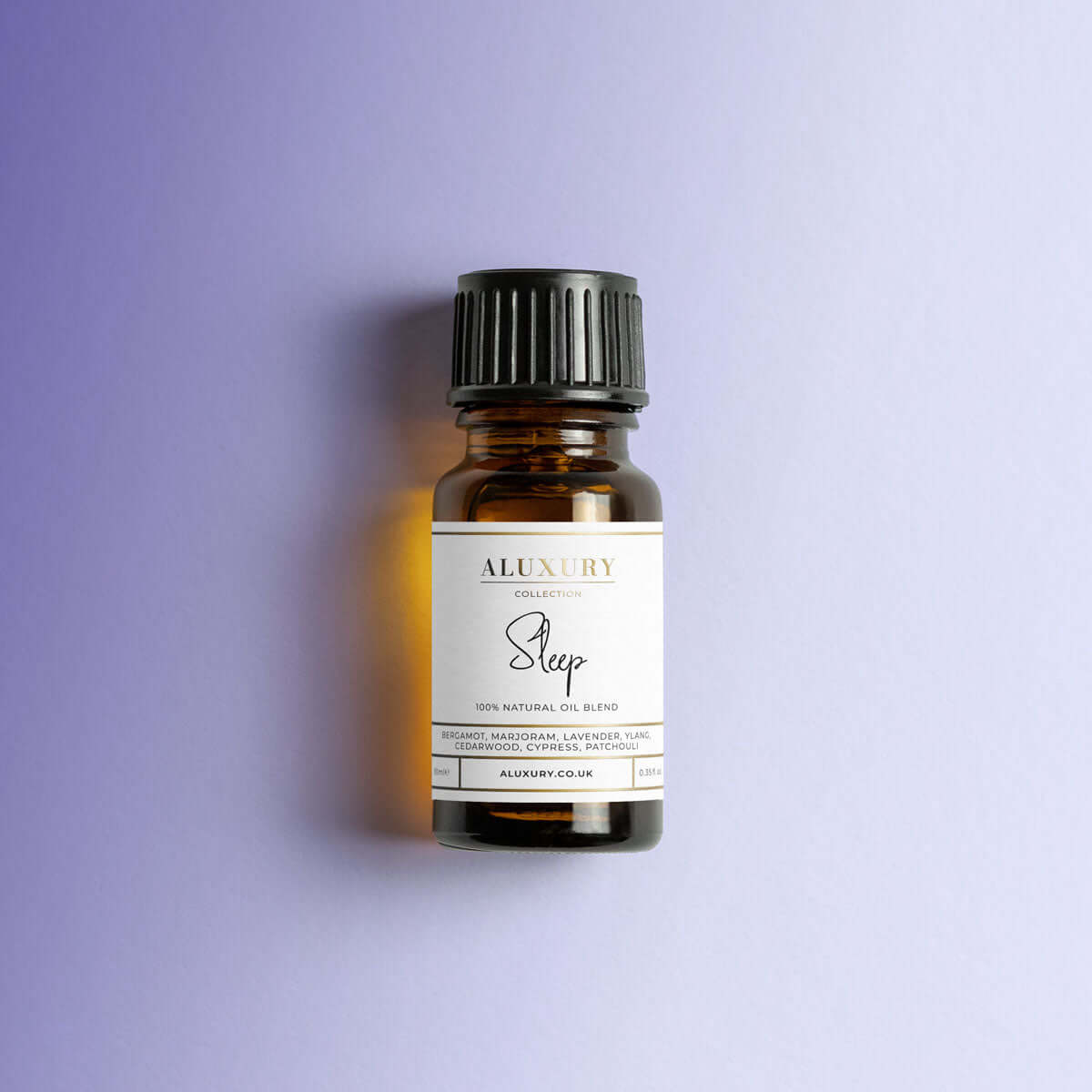
- by The Aluxury® Team
Top 7 Aromatherapy Oils for Sleep
- by The Aluxury® Team
Do you find yourself tossing and turning at night, struggling to get a restful sleep? If so, you're not alone. Millions of people experience sleep disturbances due to stress, anxiety, or an overactive mind.
Sleep deprivation not only affects our mood but also impacts overall health, leading to fatigue, weakened immunity, and difficulty concentrating.
One of the most natural ways to improve sleep quality is through aromatherapy. Using aromatherapy oils for sleep, such as lavender, chamomile, and sandalwood, can help promote relaxation and induce a deeper, more restorative slumber.
This article explores the best essential oils for sleep, their benefits, and how to incorporate them into your nightly routine.
Aromatherapy involves the use of natural oils to help sleep by stimulating the olfactory system—the part of the brain responsible for smell.
When inhaled, essential oils send signals to the limbic system, which controls emotions, mood, and sleep. Certain essential oils for better sleep have calming properties that can reduce stress, lower blood pressure, and encourage relaxation.
To maximise the sleep-inducing benefits of essential oils, consider the following application methods:
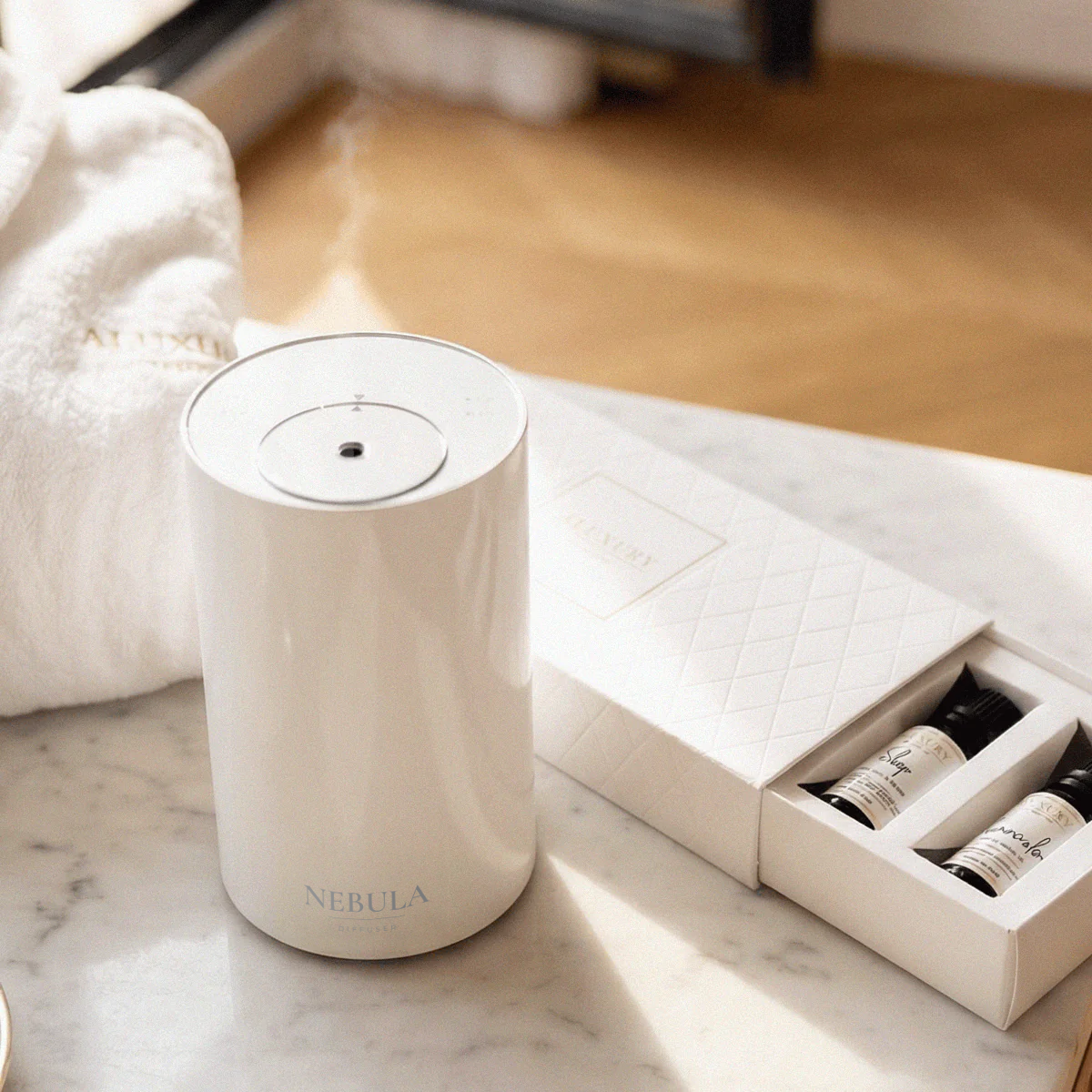
Diffusion: Add a few drops of essential oil to a diffuser and let it disperse throughout your bedroom.
Pillow Sprays: Mix essential oils with water and lightly mist onto pillows and bedding.
Aromatherapy Baths: Blend with carrier oils and add to warm bathwater for a soothing soak.
Topical Application: Dilute with a carrier oil (such as coconut or almond oil) and apply to pulse points or the soles of your feet.
Massage: Combine essential oils with a massage oil and use before bedtime for relaxation.
Now, let's explore the top 7 essential oils for sleep and how they can help improve your nighttime rest.
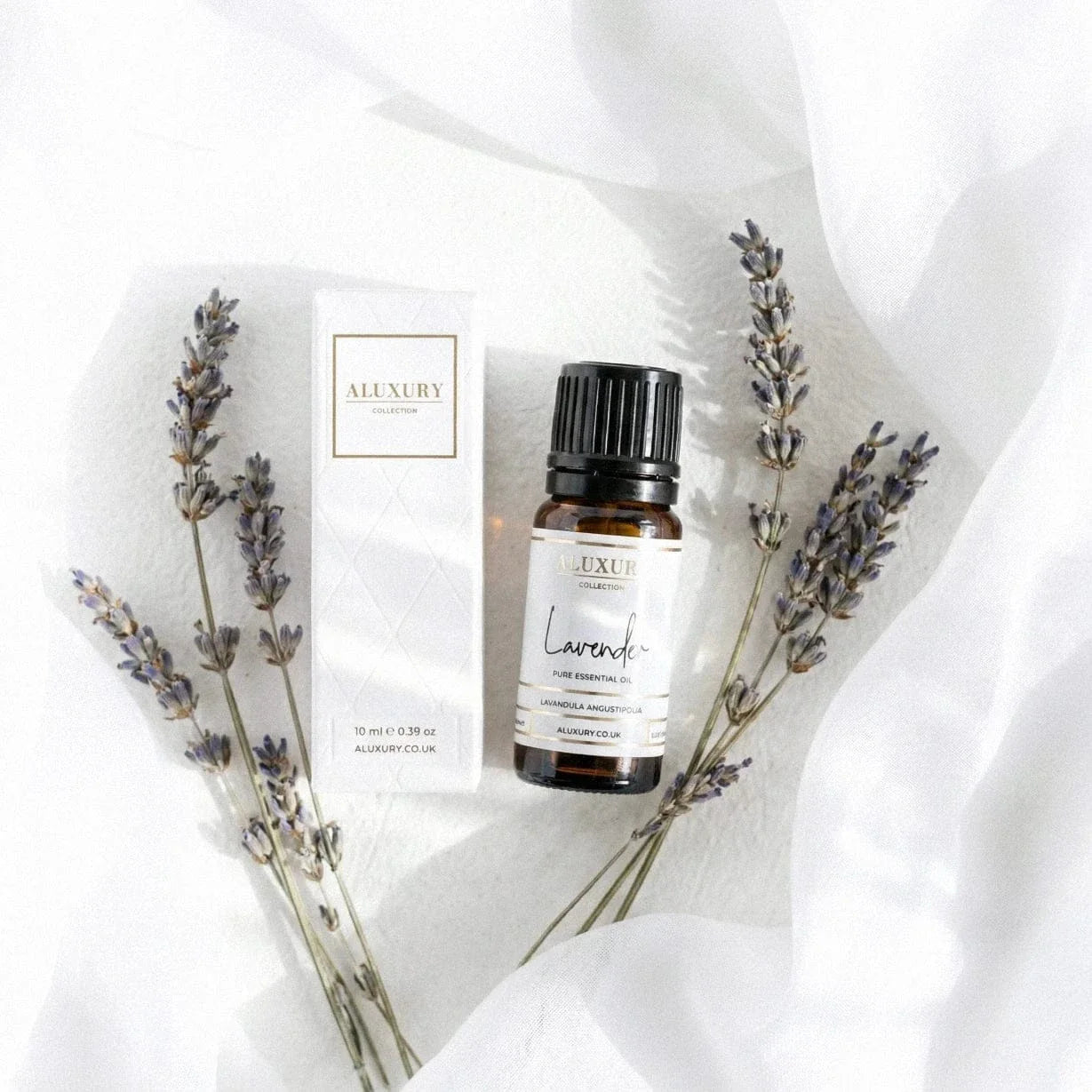
Lavender is widely regarded as the most effective essential oil for insomnia. Its soothing properties help reduce stress, anxiety, and even symptoms of depression, making it a perfect aid for those struggling with sleep disorders.
Add 3-5 drops to a diffuser before bedtime.
Dilute with a carrier oil and apply to wrists, neck, or temples.
Mix with Epsom salts and add to a warm bath.
Spray a lavender mist onto your pillow before sleeping.
A study published in the Journal of Alternative and Complementary Medicine found that lavender oil improves sleep quality and promotes deeper rest. Lavender’s sedative properties work by calming the nervous system and slowing brain activity, allowing you to drift off more easily.
Chamomile, particularly Roman Chamomile, is another essential oil to help sleep due to its mild sedative effect. It has been used for centuries to treat insomnia and anxiety.
Add 4-6 drops to a diffuser or humidifier before bed.
Brew chamomile tea and inhale the steam for relaxation.
Combine with a carrier oil and apply to your feet, chest, or temples.
Add a few drops to bathwater for a calming effect.
Chamomile not only promotes relaxation but also soothes digestive issues, reduces inflammation, and helps alleviate muscle tension, making it an excellent choice for unwinding after a stressful day.
Sandalwood has a rich, woody aroma that promotes relaxation, clears the mind, and reduces mental chatter—one of the leading causes of sleep disturbances.
Diffuse in your bedroom to create a tranquil environment.
Mix with a carrier oil and apply to your chest or temples.
Use in meditation or mindfulness practices before sleep.
Unlike floral scents, sandalwood has grounding properties that are particularly helpful for individuals who struggle with anxiety-related insomnia. It slows heart rate and encourages deep breathing, which helps with falling and staying asleep.
Unlike most citrus oils that are stimulating, bergamot essential oil has a calming effect on the nervous system. It reduces cortisol (the stress hormone) and helps prepare the body for rest.
Add to a diffuser for gentle relaxation.
Mix with carrier oil and apply to the neck and chest.
Add a few drops to your evening herbal tea for added benefits.
Bergamot is photosensitive, meaning it can increase sun sensitivity. Avoid direct sunlight exposure after applying to the skin.
Cedarwood stimulates the pineal gland, which is responsible for melatonin production—the hormone that regulates sleep cycles. It’s one of the best essential oils for better sleep, especially for individuals who wake up frequently at night.
Diffuse 30 minutes before bedtime.
Apply to the soles of your feet.
Use in combination with lavender for enhanced sleep benefits.
Cedarwood is commonly used in aromatherapy for grounding emotions and creating a sense of security and peace, making it perfect for nighttime use.
Clary Sage is a powerhouse when it comes to promoting relaxation and balancing hormones. It contains linalyl acetate, a compound known for its calming effects on the nervous system. This makes it an excellent choice for those struggling with stress-related insomnia or hormone fluctuations. Clary Sage also helps reduce cortisol levels, the stress hormone that can interfere with restful sleep.
Diffuse: Add 3-5 drops to a diffuser and let it fill your bedroom with its soothing aroma.
Massage: Blend with a carrier oil and apply to the temples, neck, or wrists for relaxation.
Bath Soak: Mix a few drops with Epsom salts and add to a warm bath to unwind before bed.
Women experiencing menopause-related sleep disturbances.
People dealing with anxiety or high stress before bedtime.
Those who have irregular sleep cycles and need a natural way to promote relaxation.
Add to a bedtime diffuser blend.
Massage into the back of the neck with a carrier oil.
Inhale directly from the bottle before sleep.
Individuals struggling with stress-induced insomnia or hormonal imbalances.
Ylang Ylang’s sweet floral scent is known for reducing stress, calming the mind, and lowering blood pressure, making it a natural sedative for deep sleep.
It helps in stabilizing emotions, which is particularly beneficial for those who experience anxiety before bed.
Diffuse: Add a few drops to a diffuser to create a relaxing ambiance in your bedroom.
Massage: Blend with a carrier oil and massage onto pulse points for relaxation.
Bath Soak: Add to a warm bath to enhance its calming effects before bedtime.
Unlike some other essential oils, Ylang Ylang doesn’t just promote sleep; it also uplifts mood, helping to create a peaceful and positive mental state before bedtime.
Using essential oils for sleep is a natural and effective way to promote relaxation and enhance sleep quality. Whether you prefer the soothing properties of lavender, the grounding effects of cedarwood, or the stress-reducing benefits of bergamot, there is an oil for everyone.
Always dilute essential oils with a carrier oil before applying to the skin.
Choose pure, high-quality essential oils for best results.
Experiment with blends to find what works best for your sleep patterns.
By incorporating aromatherapy for sleep into your nightly routine, you can experience deeper relaxation and wake up feeling refreshed and rejuvenated.
Are Essential Oils Safe for Pets? Cats & Dogs
Read moreabout Are Essential Oils Safe for Pets? Cats & Dogs
Can You Use Any Oil in a Waterless Diffuser? A UK Guide
Read moreabout Can You Use Any Oil in a Waterless Diffuser? A UK Guide
Saffron in Aromatherapy: Benefits & Uses

Share: